Have you ever been scrolling through your messages or a social media post and stumbled upon the word “rebuke”, leaving you scratching your head?
You’re not alone! At first, it might sound a bit harsh or confusing, especially if you’re used to casual texting slang. But don’t worry understanding rebuke is simpler than it seems.
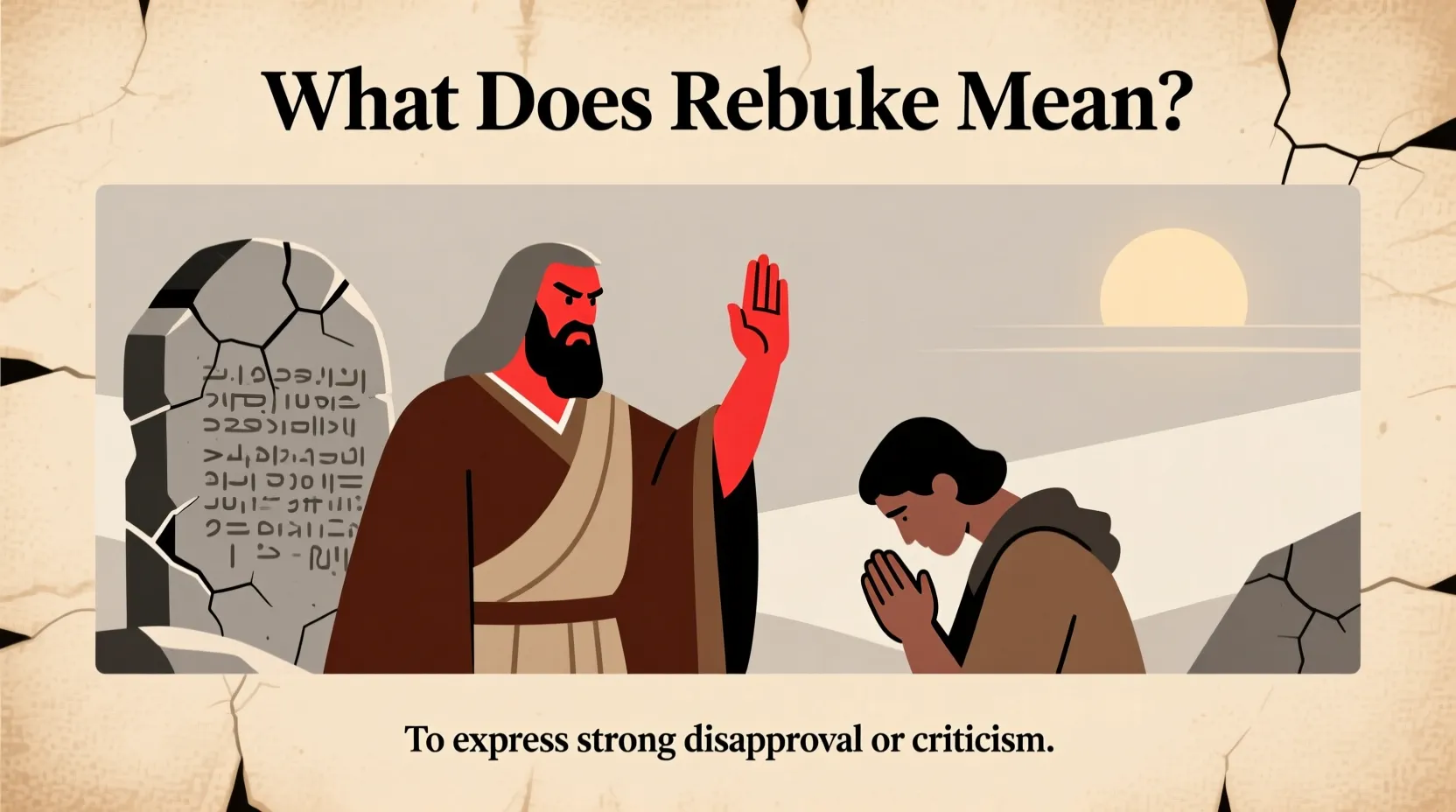
Quick Answer: Rebuke means “to express sharp disapproval or criticism.” It’s a formal or serious way of pointing out someone’s mistake or behavior, often in a polite or corrective manner.
What Does Rebuke Mean in Text?
In simple terms, rebuke is used when someone wants to show disapproval, correct a mistake, or criticize an action. Unlike friendly teasing or casual slang, it carries a serious tone.
Example Sentence:
“Hey, I need to rebuke you for missing the deadline again 😬.”
In short: Rebuke = express disapproval = politely point out mistakes or unacceptable behavior.
Where Is Rebuke Commonly Used?
Rebuke isn’t typical “text slang” like LOL or BRB, but you may encounter it in:
- ✉️ Text messages to convey seriousness or correction
- 💻 Emails, especially professional or formal ones
- 🏫 Social media posts or comments pointing out unacceptable behavior
- 👥 Group chats when addressing someone’s mistake politely
Tone: Mostly formal or serious, rarely casual. Using it in friendly chats might feel stiff.
Examples of Rebuke in Conversation
Here are some realistic texting examples of rebuke in action:
A: “I forgot to submit the report 😅”
B: “I have to rebuke you for this, it’s important to meet deadlines.”
A: “I was late again…”
B: “I must rebuke you this time, it’s affecting the team.”
A: “Sorry I didn’t call back”
B: “I rebuke you for ignoring messages, please be more responsive.”
A: “I skipped the meeting”
B: “I rebuke that choice, it was mandatory 😐”
A: “I didn’t complete my task”
B: “I need to rebuke you, we can’t fall behind.”
When to Use and When Not to Use Rebuke
✅ When to Use:
- Correcting mistakes politely
- Expressing serious disapproval
- Formal or semi-formal chats
- Workplace or school communication
❌ When Not to Use:
- Casual banter with friends
- Flirty conversations
- Urgent situations requiring gentle wording
- Joking or playful messages
| Context | Example Phrase | Why It Works |
|---|---|---|
| Friend Chat | “Hey, I rebuke you 😅” | Can be playful if friends know context |
| Work Chat | “I need to rebuke you for missing this deadline.” | Professional, direct, clear |
| “I must rebuke the recurring errors in your report.” | Formal, clear, and corrective |
Similar Slang Words or Alternatives
| Slang/Word | Meaning | When to Use |
|---|---|---|
| Chide | Gently scold someone | Friendly correction |
| Admonish | Warn or correct politely | Formal or serious situations |
| Reprove | Express disapproval | Formal, professional contexts |
| Criticize | Point out faults | Workplace or analytical feedback |
| Scold | Reprimand harshly | Parent-child or strict situations |
FAQs About Rebuke
Q: Is rebuke casual slang?
A: No, rebuke is formal and serious, not typically used for casual texting.
Q: Can I use rebuke with friends?
A: Only if it’s playful and your friends understand your tone, otherwise it may sound harsh.
Q: What’s the difference between rebuke and scold?
A: Scold is harsher and often used for children, while rebuke is polite and formal.
Q: Can rebuke be used in social media posts?
A: Yes, especially when addressing behavior or mistakes publicly in a professional or serious tone.
Conclusion
Understanding rebuke is key to communicating serious disapproval without sounding rude. While not casual slang, it’s useful in professional and formal chats, emails, or social media when addressing mistakes.
Remember, tone matters use it carefully to ensure your message is corrective, not confrontational.

Justin Taylor is a puzzle enthusiast and connoisseur, dedicated to exploring the fascinating world of puzzles. With a knack for solving complex riddles and a deep understanding of puzzle mechanics, Justin’s contributions to Puzzlerpedia are both enlightening and entertaining, captivating readers of all skill levels.