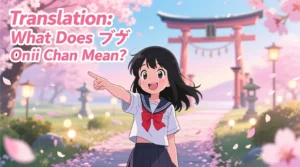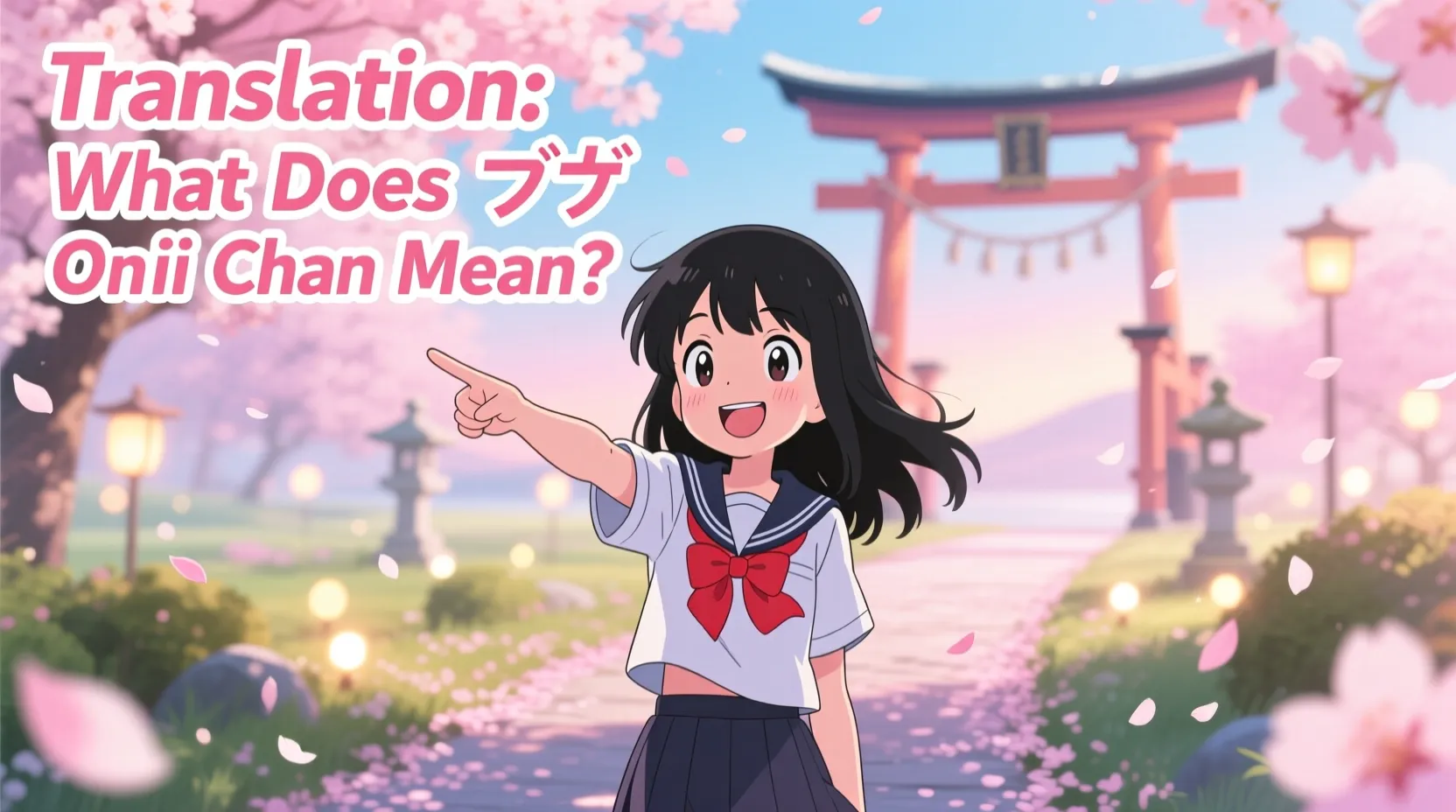
Ever been scrolling through anime memes or TikTok edits and suddenly saw someone saying “onii chan” and thought wait, what does that even mean? You’re not alone.
Most people encounter this phrase for the first time in a meme, a clip, or a comment section usually followed by a bit of confusion and maybe even a blush.
Here’s the quick answer you probably need right now:
Quick Answer: Onii chan means “older brother” in Japanese. It’s a cute, affectionate, and sometimes playful or flirty way of addressing an older brother or an older male character.
Let’s break it down clearly and safely so you understand exactly how, when, and why people use it online.
What Does Onii Chan Mean in Text?
In Japanese, “onii chan” (お兄ちゃん) literally means “older brother.”
But on the internet — especially in anime, manga, meme culture, and TikTok edits — the phrase is used in a more cute, affectionate, or teasing way. It often carries a soft, childlike tone because of how it’s said in anime.
Example in a sentence:
“Stop teasing me, 😳”
In short: onii chan = older brother = cute/affectionate address for an older male.
Where Is Onii Chan Commonly Used?
- TikTok anime edits 🎬
- Instagram memes and reels 😂
- Discord anime servers 💻
- Gaming chats with anime fans 🎮
- Cosplay videos and roleplay content 🎭
- Manga-inspired chats or fan communities ✨
- Playful texting between close friends who love anime 💬
This phrase is casual, playful, and super informal — it’s not something to use in a professional or serious setting.
Examples of Onii Chan in Conversation
A: bro did u watch the new ep 😭
B: yesss onii chan i did 😳
A: can u help me with this lvl
B: ok ok onii chan’s here 😂
A: send the notes pls
B: only if u say “please ” 😭🤣
A: don’t ignore me
B: sorry sorry was busy 😅
A: u really typed that 😭
B: yes. yes i did. mode activated ⚡
The When to Use and When Not to Use Onii Chan
When to Use
- With anime-loving friends
- In playful, teasing, or cute conversations
- In roleplay chats
- In casual texting
- When the tone is light, fun, or meme-like
When Not to Use
- In professional messages
- With someone who might misunderstand the tone
- In serious or emotional discussions
- With strangers who may find it awkward
- In formal writing or emails
Context Comparison Table
| Context | Example Phrase | Why It Works |
|---|---|---|
| Friend Chat | “help me with this mission, onii chan 😂” | Casual and playful |
| Gaming Chat | “onii chan carry me pls 😭” | Fun and meme-like |
| Work Chat | “Please review this when you can.” | Professional and respectful |
| “Attached are the requested files.” | Formal and clear |
Similar Slang Words or Alternatives
| Slang | Meaning | When to Use |
|---|---|---|
| Oniisan | Older brother (polite) | More respectful anime/fan contexts |
| Senpai | Upperclassman / older male | When admiring or playfully teasing |
| Oniichan~ | Extra cute version of onii chan | When expressing exaggerated cuteness |
| Nii-chan | Casual “big bro” | Friendly or soft tone |
| Oppa | Korean for “older male” | In K-pop or Korean-influenced chats |
| Hyung | Korean for “older brother” (male speaking) | Casual boy-to-boy chats |
FAQs About Onii Chan
Is “onii chan” flirty?
Sometimes, yes — especially in memes or roleplay. But originally, it’s just a cute way to say “big brother.”
Is it a real Japanese word?
Yes. It comes from Japanese family terms.
Why do people say it with a blush emoji?
Anime characters often say it in a cute or shy voice, so fans mimic that tone.
Can I call my real brother ?
If you’re speaking Japanese or joking around, yes. But online it’s usually used more playfully.
Is it weird to say to strangers?
Sometimes. Use it only where the vibe matches — anime fans, friends, or meme chats.
Conclusion
Onii chan may seem confusing the first time you see it, but it’s just a sweet, anime-style way of saying “older brother.” Online, it’s often used in a cute, teasing, or playful way — especially in anime communities, roleplay servers, or meme chats.
If you’re in an anime-friendly space, feel free to use it playfully. Just be mindful of tone, comfort, and context.

Ava Grace is a passionate storyteller whose words breathe life into unforgettable characters and emotionally rich narratives. With a gift for weaving romance, mystery, and raw human emotion into every page, Ava has captivated readers from all walks of life. Her writing is marked by authenticity, compassion, and a deep understanding of the human heart.
Driven by her love for literature and a desire to connect with others through story, Ava Grace began her writing journey with a simple idea: that every heart has a story worth telling. Her novels often explore themes of love, loss, healing, and redemption — offering readers not just entertainment, but reflection and hope.
Whether she’s writing about quiet strength or bold resilience, Ava’s characters always feel real — and their stories, unforgettable. Her work continues to inspire a loyal and ever-growing readership who find comfort, excitement, and truth within her pages.
Notable Works by Ava Grace:
-
Whispers of the Heart
-
The Light Between Shadows
-
When Love Finds You