Ever had someone at work or in a group chat say, “We’re onboarding a new member,” and you quietly panicked because you weren’t totally sure what it meant?
Don’t worry you’re not alone. The first time I saw the word onboarding in a message, I assumed it was some kind of tech slang or a new social-media trend.
Turns out, it’s way simpler and way more common than it sounds.
Quick Answer: Onboarding means “the process of introducing, guiding, and integrating someone into a new role, system, or platform.” It’s a formal yet friendly way of saying someone is being welcomed and trained.
What Does Onboarding Mean in Text?
In texting or online chats, onboarding refers to the steps taken to help someone get started with something new — a job, an app, a team, or a community. It basically means showing them how everything works so they feel comfortable and confident.
Example sentence:
“We’re onboarding two new interns this week, so things might be busy.”
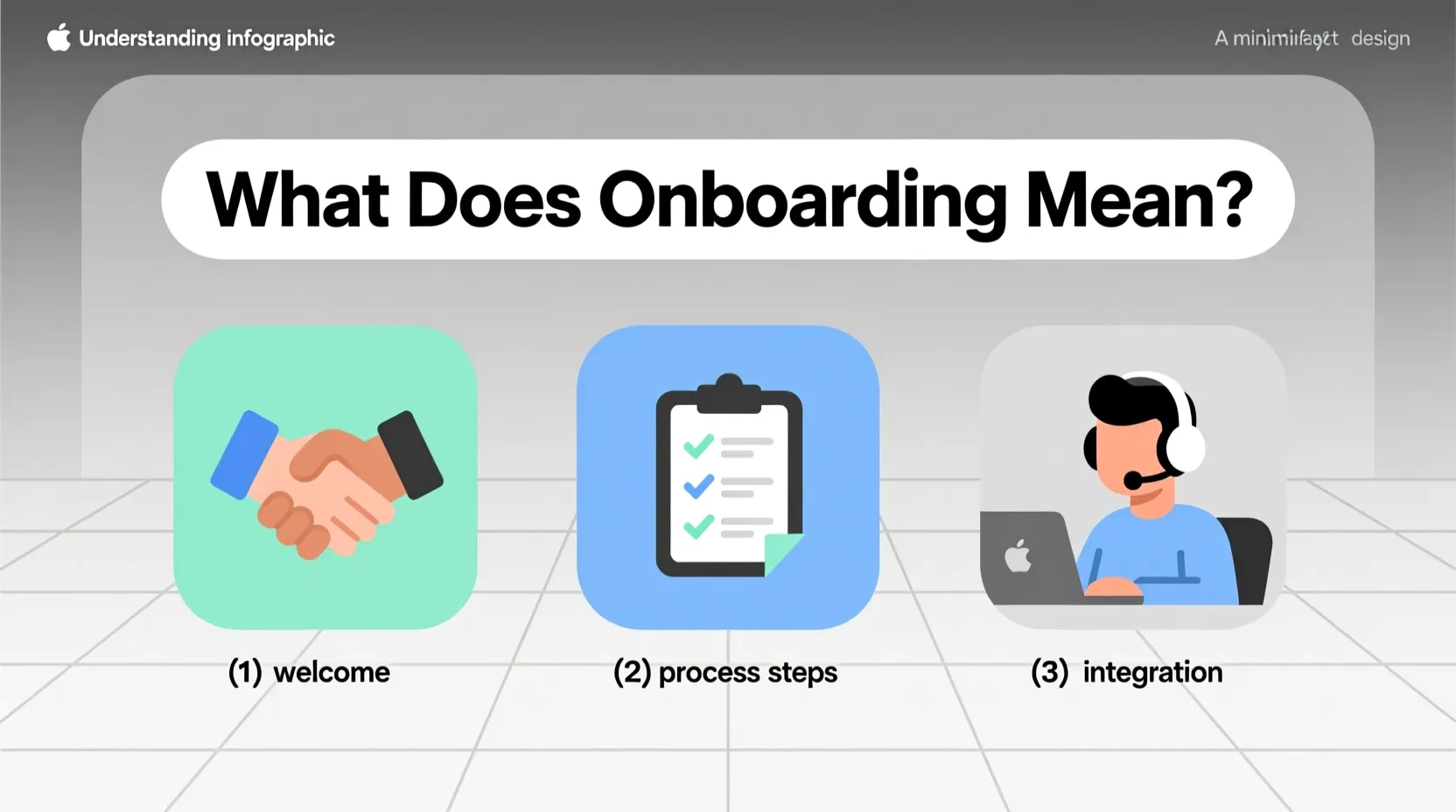
In short: onboarding = welcoming + training + guiding someone into a new role or system.
Where Is Onboarding Commonly Used?
Onboarding isn’t typical “slang,” but it’s extremely common in digital communication, especially in work-related settings. You’ll often see it here:
• Workplace chats on Slack or Teams
• HR emails and messages
• Gmail or app notifications when you join new platforms
• Project management tools like Trello, Notion, or Asana
• Online communities, mentorship groups, and training programs
• Social-media business pages on LinkedIn or Instagram
Tone: Mostly formal or semi-formal, but can be used casually when talking about joining a group or platform.
Examples of Onboarding in Conversation
A: “Did Sarah start yet?”
B: “Yep, we’re onboarding her today.”
A: “Is someone helping the new writer?”
B: “Yeah, I’m onboarding him rn.”
A: “Why’s the meeting full?”
B: “We’re onboarding new team members.”
A: “Do I need to train the new mod?”
B: “No worries, the admin is onboarding them.”
A: “Why is the website asking so many questions?”
B: “It’s just the onboarding process lol.”
When to Use and When Not to Use Onboarding
When to Use
• When talking about new hires or new team members
• When guiding someone through a platform or system
• When explaining training or orientation
• In business, HR, or professional chats
When Not to Use
• In informal friend conversations
• When talking about urgent or serious situations
• In emotional or personal chats
• When a simpler word like “helping” or “guiding” fits better
Comparison Table
| Context | Example Phrase | Why It Works |
|---|---|---|
| Friend Chat | “We’re onboarding new members to the club 😄” | Casual but still clear |
| Work Chat | “We’re onboarding a new employee today.” | Professional & appropriate |
| “The onboarding process will take three days.” | Formal and structured | |
| App/Website | “Complete onboarding to set up your account.” | Clear user instruction |
Similar Slang Words or Alternatives
| Term | Meaning | When to Use |
|---|---|---|
| Orientation | Intro session for newcomers | Schools, workplaces, programs |
| Training | Teaching how something works | Jobs, sports, teams |
| Setup | Getting started with a device/app | Tech support, apps |
| Walkthrough | Step-by-step guidance | Tutorials, gaming, software |
| Registration | Signing up or joining | Apps, platforms, events |
FAQs About Onboarding
Is onboarding slang?
Not exactly. It’s a professional term often used in texting and workplace chats.
Can onboarding refer to apps and websites?
Yes. Many apps say “Complete your onboarding” when you sign up for the first time.
Is onboarding only for workplaces?
No. It can also mean guiding new members into groups, programs, or platforms.
Does onboarding mean training?
Partially. Training is a part of onboarding, but onboarding also includes welcoming, registering, and guiding.
Is onboarding formal or casual?
It’s mostly formal, but it works in semi-casual chats too.
Conclusion
Onboarding may sound technical, but it simply means helping someone get started, whether it’s a job, a community, or an app. It’s a structured, welcoming process designed to make newcomers feel informed, confident, and ready to move forward.
If you ever see the word pop up in a work chat, HR message, or app notification, now you know exactly what it’s talking about guidance, training, and smooth integration.
Understanding this term can keep communication clear and help you navigate both professional and digital spaces with ease.

James Wilson is a puzzle aficionado with a flair for storytelling and a passion for problem-solving. His expertise in a wide range of puzzles, from crosswords to logic puzzles, shines through in his compelling and informative articles. James’ ability to make puzzling both fun and accessible makes him a beloved member of the Puzzlerpedia team.